Introduction
Your roof works tirelessly every single day. Rain, wind, sun, frost it takes everything the British weather throws at it. Yet most homeowners never give their roof a second thought until something goes wrong.
A small leak becomes a stained ceiling. A cracked tile becomes a damp loft. A blocked gutter becomes water running down your exterior walls.
The good news? Most roofing problems are preventable with regular inspections.
This guide answers the most common question homeowners ask: How often should I inspect my roof?
We’ll also cover what to look for during your own checks and when it’s time to call a professional roofer.
How Often Should You Inspect Your Roof?
At least once per year – ideally twice.
The best time for a professional roof inspection is early autumn, before the worst weather arrives. This gives you time to schedule any repairs before winter storms, heavy rain, and frost cause further damage.
A second inspection in early spring is also recommended. Winter weather can loosen tiles, damage flashings, and leave debris in your gutters. Catching these issues early prevents them from getting worse over spring and summer.
Quick reference guide:
| Season | Inspection Type | Why |
|---|---|---|
| Autumn (Sept–Oct) | Professional | Before winter storms |
| Spring (Mar–Apr) | Professional or DIY | After winter damage |
| After storms | Visual check from ground | Look for obvious damage |
| When selling home | Professional | Required for buyer confidence |
Signs Your Roof Needs Attention Before Its Annual Inspection
You don’t need to wait for a scheduled inspection if you notice any of these warning signs:
Inside your home:
Water stains on ceilings or walls
Peeling paint or wallpaper near the top of walls
Damp or musty smells in loft spaces
Visible daylight through roof boards in the loft
Cracked or bulging plaster on upper floors
Outside your home:
Missing, cracked, or curling roof tiles
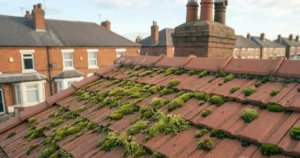
Moss or algae growing heavily on roof surfaces
Sagging areas on the roof
Blocked or overflowing gutters
Rusted or damaged flashing around chimneys and walls
Broken or missing fascia boards
If you see any of these, don’t wait for your annual inspection. Call a professional roofer as soon as possible.
DIY Roof Inspection – What You Can Check Safely
You don’t need to climb onto your roof to perform a basic inspection. In fact, we don’t recommend going up a ladder unless you’re confident and have someone holding it.
Here’s what you can check safely from the ground:
Using binoculars from garden or street:
Look for missing, cracked, or lifted tiles
Check chimney for missing mortar or leaning
Look for gaps around satellite dishes or solar panels
Check valleys where water runs off
From inside your loft (with a torch):
Look for daylight coming through the roof
Check for damp patches on rafters or insulation
Look for signs of rodents or birds (they damage roofs)
Check for water stains on the underside of the roof
From ground level around your home:
Walk around after heavy rain – look for puddles near walls
Check gutters for plants growing out of them
Look for broken or hanging gutter sections
This basic check takes 15 minutes and can spot problems early.
What a Professional Roof Inspection Includes
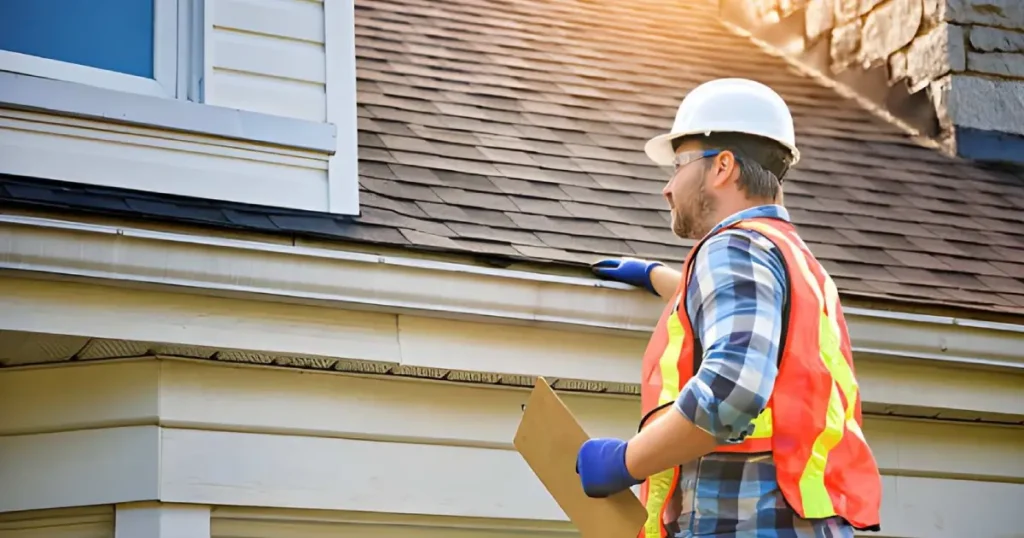
A professional roofer does much more than a DIY check. Here’s what we look for during a free survey:
Tile and slate condition
We check every tile for cracks, slipping, or weathering. Even one damaged tile can let water through.
Flashing and seals
We inspect lead flashing around chimneys, valleys, and roof walls. These are common leak points.
Fascias, soffits, and gutters
We check for rot, damage, or blockages that affect ventilation and water flow.
Chimney structure
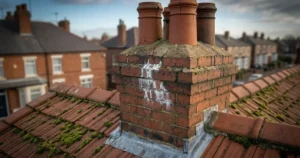
We look for loose bricks, missing mortar, and proper chimney flashing.
Roof structure from inside
We examine rafters, insulation, and roof boards for damp or rot.
Ventilation points
We check that air can flow freely through your roof space to prevent condensation.
Moss and algae
We assess whether cleaning is needed to prevent tile damage.
After inspection, we provide a written report and a free quote for any recommended work – with no obligation.
Why Regular Inspections Save You Money
Many homeowners avoid roof inspections because they’re worried about finding expensive problems. But ignoring your roof costs more in the long run.
Here’s how regular inspections save you money:
Catch small issues early
A cracked tile costs very little to replace. If left alone, water gets through and rots the roof structure – a much bigger repair.
Prevent internal damage
Leaks damage ceilings, insulation, and even electrics. Fixing a leak early avoids redecorating and rewiring costs.
Extend roof lifespan
A well-maintained roof lasts years longer than one that’s ignored. Regular cleaning and minor repairs add decades of life.
Avoid emergency callout fees
Emergency repairs cost more than planned work. Regular inspections mean you schedule repairs on your terms.
Protect home value
A roof in poor condition reduces your property value. Inspection reports and maintenance records are valuable when selling.
What Happens If You Never Inspect Your Roof?
It’s easy to forget about your roof. But here’s what typically happens after years without inspection:
Year 1-2: Small cracks appear in a few tiles. Moss starts growing.
Year 3-4: Water finds its way through cracked tiles. Damp patches appear in the loft.
Year 5-6: Rot spreads to roof rafters. Insulation becomes damp and less effective. Ceiling stains appear upstairs.
Year 7-8: Significant structural damage. Multiple leaks. Chimney mortar crumbles. Replacement becomes cheaper than repair.
Don’t let this happen to your home. A simple annual inspection prevents the entire chain of problems.
FAQ – Roof Inspection Questions Homeowners Ask
1. Do I really need a professional inspection every year?
Not every roof needs a full professional inspection annually if it’s new or in excellent condition. However, we recommend at least a professional check every two years, plus your own visual checks in between.
2. How long does a roof inspection take?
A standard residential roof inspection takes 30 to 60 minutes, depending on the size and complexity of your roof.
3. Is a roof inspection free?
Many reputable roofers, including AllPro Roofing Ltd, offer free, no-obligation roof surveys. You only pay if you choose to proceed with recommended work.
4. Can I inspect my own roof from a ladder?
If you have a stable ladder, someone holding it, and you’re confident at height, you can check lower sections. But we don’t recommend climbing onto the roof itself. Leave that to professionals with safety equipment.
5. What’s the best season for roof inspection?
Early autumn is ideal – before winter storms. Spring is the second-best time, to assess winter damage.
6. Will roof cleaning be recommended during inspection?
If moss or algae is heavy enough to lift tiles or block water flow, yes. Roof cleaning is part of regular maintenance.
7. How do I book a free roof survey in West London?
Call 07507 819298 or email thedhillonthegreat@gmail.com. We cover Hounslow, Hillingdon, Ealing, Richmond, and surrounding areas.
Conclusion
Your roof protects everything inside your home. It deserves attention before something goes wrong, not after.
Remember the simple rule: Inspect at least once per year – in autumn. Check from the ground yourself every few months. Call a professional if you see anything worrying.
A small investment in regular inspections saves you from major repair bills, protects your home’s value, and gives you peace of mind every time it rains.
Ready for Your Free Roof Inspection?
Don’t wait for a leak to remind you about your roof.
📞 Call Us: 07507 819298
📧 thedhillonthegreat@gmail.com
📍 Based in Hounslow TW5 – serving all West London
Free, no-obligation roof survey. Clear written quote. 5-year guarantee on repairs.